

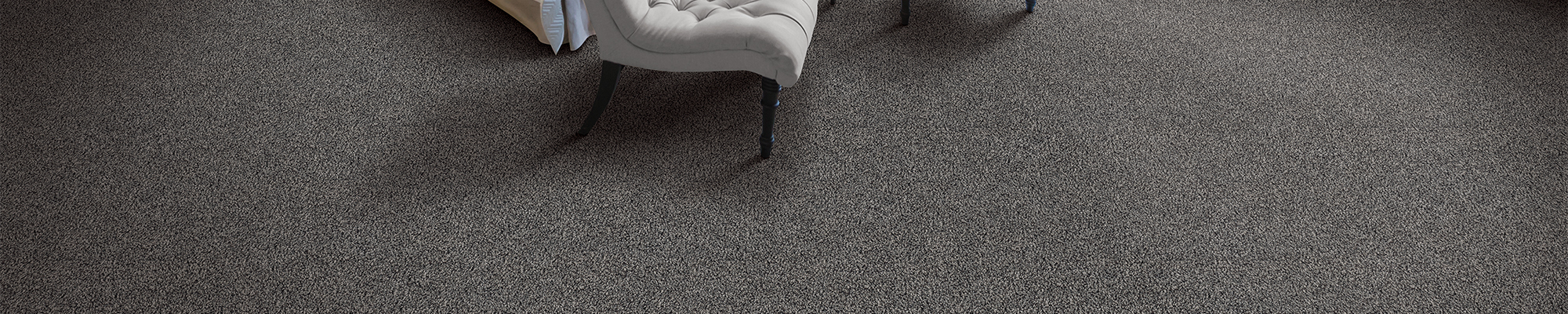
New carpet can completely change a room. It makes hard surfaces feel softer, helps create a warmer atmosphere, and gives you thousands of combinations of color, texture, fiber, and pattern. But that huge selection creates a challenge: how do you know which carpet is actually right for your home? The answer goes beyond picking the softest sample. Traffic matters. Pets matter. The room itself matters. You also need to think about fiber, construction, stain resistance, carpet padding, and professional carpet installation. At Mill Carpet in District Heights, MD, we help customers sort through these choices and find carpeting that balances comfort, appearance, performance, and budget. We offer a wide selection of flooring for residential and commercial spaces, including a large selection of carpet in stock. Ready to narrow down your choices? Start with these four tips.
1. How do you choose the right carpet type for each room?
One of the biggest carpet-shopping mistakes is assuming the same product should go everywhere. Instead, start with the room. Bedrooms generally experience less foot traffic, so comfort can move higher on your priority list. If you're researching how to choose carpet for bedrooms, think about how you want the room to feel. Plush, textured, or other soft cut-pile styles can create a comfortable surface underfoot and help make a bedroom feel cozy. Living rooms and family rooms are different. These areas may see children playing, pets running, furniture moving, and people walking through every day. Here, you need a stronger balance between softness and resilience.
Hallways and stairs demand even more attention to durability. The best carpet for high-traffic areas is generally one with fibers and construction designed to withstand frequent use without quickly becoming crushed or matted. Berber carpet is one option shoppers may encounter. Berber commonly refers to loop-style carpeting and is known for its clean, casual appearance. Loop size, density, fiber, and overall construction vary, however, so not every Berber carpet will perform the same way. Patterned carpet provides another possibility. Patterns and varying textures can add visual interest while helping disguise some everyday marks. Learning how to choose carpet type ultimately comes down to matching construction with use. Don't ask only, "Do I like this carpet?" Ask, "Does this carpet make sense for this room?" That small change in thinking can lead to a much better choice.
2. What is the best carpet material for your lifestyle?
Once you understand where the carpet is going, consider fiber. Fiber affects softness, resilience, stain performance, appearance, care requirements, and carpet prices. There is no universal answer to the question, "What is the best material for carpet?" Different fibers solve different problems. Nylon carpet is known for resilience and durability. It can recover well from compression, which makes it a strong candidate for family rooms, hallways, stairs, and other frequently used spaces. Polyester carpet is known for softness, color clarity, and inherent stain resistance. It can offer an appealing combination of comfort and value, particularly in spaces where resilience under extremely heavy traffic is less important. When comparing nylon carpet vs polyester carpet, think about what matters most. Nylon often has the advantage when resilience is the priority. Polyester can be attractive when softness, stain resistance, and budget are high on the list. Construction and product quality still matter, so don't make your decision based on fiber name alone.
Then there is wool carpet. Wool is a premium natural fiber prized for its softness, resilience, and distinctive appearance. It can provide a luxurious feel that many synthetic fibers attempt to reproduce. Wool typically comes at a higher price and has specific care requirements, so it is best for customers who understand the maintenance involved. Other fibers and blends are available as well. When comparing the best carpets on the market, consider the entire product: fiber, density, twist, construction, backing, stain protection, warranty, and recommended application. Brands can also be part of the search. If you're considering Mohawk carpet or products from another manufacturer, compare individual collections rather than choosing based solely on the brand name. Features and specifications can vary significantly between collections.
3. What carpet is best for pets, stains, and busy households?
A carpet sample sits peacefully in a showroom. Your carpet at home won't. There are muddy shoes, dropped snacks, spilled drinks, pet hair, children's activities, furniture, and daily foot traffic. That's why lifestyle should play a major role in your decision. Start with stain protection. Stain-resistant carpet can make sense in dining areas, family rooms, children's rooms, and other spaces where accidents are likely. Keep in mind that stain resistance doesn't mean stain-proof. Spills still need prompt attention. Pet owners should consider even more factors. The best carpeting for pets generally combines durability, cleanability, and appropriate construction. Some pet owners prefer cut-pile carpet because claws can potentially catch on larger loops. Stain-resistant features can also be valuable if accidents occur.
Think about color, too. A perfectly solid white carpet may make soil obvious, while very dark carpeting can highlight light-colored pet hair and lint. Multitone, flecked, or textured colors may help disguise everyday debris between vacuuming sessions. What about carpet allergies? Carpet itself is only one part of indoor environmental management. Carpet can collect particles that eventually need to be removed through proper cleaning. Regular vacuuming with an appropriate filtration system, prompt spill cleanup, periodic professional cleaning, and general indoor air management can all be important. If allergies are a major concern in your household, consider discussing cleaning requirements and carpet construction before making a selection rather than assuming a particular fiber will eliminate the issue.
4. Why do carpet padding and installation matter?
You found the right carpet. Great. You're not finished. Carpet padding and installation can influence how the finished floor feels and performs. They deserve more attention than they sometimes receive during the shopping process. Carpet padding sits underneath most residential carpeting. The right cushion can add comfort, provide support, and help the carpet perform as intended. Thicker isn't automatically better. A carpet manufacturer may specify cushion density and thickness requirements for a particular product. Using an unsuitable pad can affect performance and potentially conflict with warranty requirements. This is especially important on stairs and in high-traffic areas, where the carpet and cushion work together under repeated pressure.
Then comes carpet installation. Professional installation involves more than cutting the carpet to fit the room. Measurements need to be accurate. Seams should be planned carefully. The carpet must be properly positioned, stretched, secured, trimmed, and transitioned into adjoining flooring. The existing floor may also need preparation before installation begins. Mill Carpet offers flooring sales and professional installation, helping customers coordinate both sides of the project. We also carry a wide range of carpet in stock, with select carpet available for installation within 24–48 hours of purchase, depending on project conditions and scheduling. If speed matters, ask about available in-stock products when you visit the carpet store.
How much does new carpet cost?
This is one of the first questions many shoppers ask, and understandably so. Carpet prices can vary significantly. Fiber, construction, density, brand, pattern, stain protection, and product quality all influence material cost. Then you need to consider carpet padding, room size, stairs, floor preparation, removal of existing materials, and installation. This is why advertised carpet sales should be considered within the context of the complete project. A low material price can look appealing, but what does it include? Does the price account for padding? What type? What about installation? Are there additional preparation requirements? Value is about more than buying the cheapest square foot of carpet. For a lightly used guest bedroom, a budget-friendly option may make perfect sense. For a staircase or busy family room, investing in more resilient carpeting may provide better long-term value. Establish your budget, but don't shop by price alone.
What should you look for in a carpet store?
Typing "carpet store near me" into a search bar gives you places to start. The next step is figuring out which store can actually help you make a confident decision. A useful showroom experience should give you the opportunity to compare carpet types in person. Touch the fibers. Look closely at the texture. Compare colors side by side. Ask how different constructions respond to traffic. Bring information about your project when possible. Photos of the room, approximate dimensions, paint colors, cabinet samples, and details about children or pets can all help narrow your choices. Also discuss carpet installation early rather than treating it as an afterthought.
At Mill Carpet, customers can shop carpeting for different tastes and budgets while working with a team that provides professional installation. That makes it possible to consider both the product and installation requirements as part of the same project.
How should you choose a carpet color?
Color is fun. It can also be surprisingly tricky. Carpet covers a large surface, which means its color has a major impact on how a room looks. Light shades can create an open, airy feel. Medium neutrals are versatile and easy to coordinate. Darker shades can add depth and contrast. But don't ignore daily maintenance. Extremely light carpet may reveal soil and spills more quickly. Very dark solid carpet can make lint, dust, and light pet hair more visible. Textured or multitone carpet may be more forgiving. Lighting also changes color. The same beige or gray can look different under daylight, warm lamps, and cool artificial lighting. Whenever possible, view samples alongside your existing walls, furniture, cabinets, and other finishes before making a final decision.
How do you keep carpet looking its best?
Good maintenance begins as soon as your new carpet flooring is installed. Vacuum regularly, focusing on entrances, hallways, family rooms, and other high-traffic spaces. Use a vacuum and settings appropriate for your carpet's construction. When spills happen, act quickly. Blot rather than scrub, since aggressive rubbing can spread the spill or damage fibers. Follow the carpet manufacturer's cleaning recommendations instead of experimenting with harsh household products. Periodic professional cleaning may also be recommended based on household activity, pets, carpet type, and warranty requirements. Entry mats can reduce tracked-in soil. Furniture protectors may help prevent damage. Occasionally rearranging furniture can also distribute traffic patterns rather than concentrating wear in the same areas. Small habits can make a meaningful difference.
Find the best carpet for your home at Mill Carpet
Choosing carpet becomes much simpler when you focus on what really matters. Match the carpet type to the room. Select a fiber that fits your lifestyle. Think realistically about pets, spills, and foot traffic. Finally, don't overlook carpet padding and professional installation. The "perfect" carpet isn't one particular product. For one household, it could be durable nylon carpet in an active family room. For another, it might be soft bedroom carpeting. You may prefer the natural feel of wool carpet, the casual style of Berber carpet, or stain-resistant carpet that makes cleanup easier in a home with children and pets.
Mill Carpet serves residential and commercial customers in District Heights, MD, with a diverse selection of flooring for different preferences and budgets. Our team also provides professional installation, helping you take your project from product selection to a finished floor. Instead of endlessly searching for a "carpet store near me," visit Mill Carpet to see and feel your options firsthand. Compare fibers, carpet types, colors, textures, padding, and performance features. Ask questions. Tell us how you use the room. The right carpet should do more than look good on installation day. It should make sense for the way you live.
Visit Mill Carpet in District Heights, MD, and let our team help you find carpet flooring that brings the comfort, style, and performance you want to your space.
