

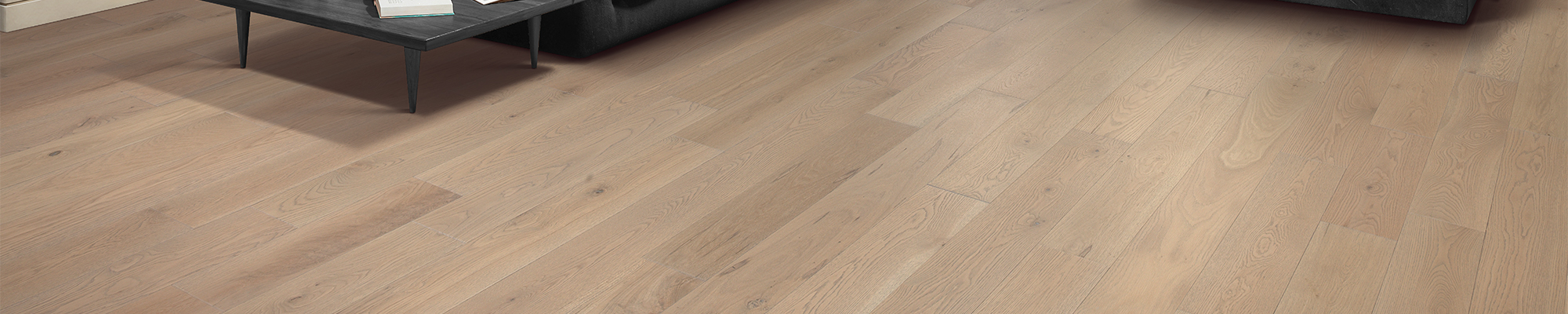
Some flooring trends come and go. Hardwood sticks around. Walk into a century-old home with well-maintained wood floors, and they can still feel relevant. Put hardwood into a newly renovated space, and it can look just as natural. That staying power is one reason homeowners continue to choose real wood.
But appearance is only part of the story.
Hardwood flooring offers durability, design flexibility, straightforward routine care, and numerous options in species, color, texture, and plank width. You can choose traditional solid hardwood, explore engineered hardwood flooring for greater installation flexibility, or make a statement with wide plank hardwood flooring. The result is a floor that feels distinctly natural because every board has its own grain and character.
At Mill Carpet in District Heights, MD, we help customers explore flooring options for their homes and businesses and provide professional installation. If you're deciding whether a hardwood floor makes sense for your next project, these seven benefits are worth considering.
1. Why does hardwood flooring have timeless appeal?
Real wood has something manufactured visuals try hard to recreate: natural variation.
Every hardwood board comes from a tree, so no two pieces are completely identical. Grain patterns shift. Color varies. Knots and mineral streaks may appear depending on the species and grade. Those differences give wood flooring depth and character.
Hardwood also adapts remarkably well to changing design styles.
Natural oak can complement a bright contemporary kitchen. Darker wood can add richness to a traditional living room. Wide planks can create a relaxed, modern look, while narrower boards offer a more classic appearance.
Even when furniture, paint colors, or décor change, hardwood floors can remain an attractive foundation.
There is also tremendous variety within the category. Oak, maple, hickory, walnut, and other species offer different grain patterns, colors, and hardness levels. Add stains, textures, finishes, and plank dimensions, and hardwood can be personalized without losing its timeless quality.
For homeowners who want flooring that isn't tied to one short-lived design trend, that versatility is a major advantage.
2. How durable are hardwood floors?
Quality hardwood flooring can provide decades of service when the right product is chosen, properly installed, and appropriately maintained.
Of course, hardwood is not indestructible.
High heels, pet claws, grit, dragged furniture, and dropped objects can leave marks. Moisture and major changes in indoor humidity can also affect real wood. That is why product selection and maintenance matter.
Different wood species also have different hardness characteristics. Hickory, for example, is generally harder than walnut. But hardness isn't the only factor that determines how a hardwood floor performs. Finish quality, construction, traffic, maintenance, and household habits all play roles.
Some homeowners actually appreciate the way real wood develops character with age. Others prefer a floor that maintains a cleaner appearance. If you're in the second group, consider low-sheen finishes and textured surfaces, which may help make minor everyday marks less noticeable.
The goal isn't to find an indestructible hardwood floor. It is to choose one that fits your lifestyle.
3. Is hardwood flooring easy to clean?
Routine hardwood care is refreshingly simple.
Dust, dirt, pet hair, and debris remain on the surface rather than settling into fibers. Regular sweeping, dust mopping, or vacuuming with an attachment suitable for wood floors can remove most everyday debris.
Spills should be wiped up promptly. Standing water is not a friend of real wood, so avoid soaking the floor during cleaning.
For deeper cleaning, use a product recommended by your flooring manufacturer. Avoid assuming that vinegar, steam, wax, or a generic household cleaner is appropriate for every wood floor. Different finishes have different care requirements.
Prevention helps, too.
Place mats at entrances to catch grit before it travels through the house. Add protective pads beneath furniture legs. Lift furniture rather than dragging it. Maintaining appropriate indoor humidity can also help reduce excessive seasonal movement.
Simple habits go a long way toward keeping hardwood floors looking their best.
4. What is the difference between solid and engineered hardwood flooring?
One of the biggest decisions you'll make when shopping for hardwood is choosing between solid and engineered construction.
Solid hardwood is milled from one piece of wood. The entire thickness of the board is real hardwood. Depending on the product and condition, solid hardwood can often be sanded and refinished multiple times during its lifespan.
It also naturally responds to environmental changes. Wood expands and contracts as moisture and humidity levels change, which makes acclimation, installation conditions, and indoor climate important.
Engineered hardwood flooring has a real hardwood veneer on top of a layered core. That construction provides greater dimensional stability and can make engineered products appropriate for installation situations where solid wood may not be recommended.
Engineered hardwood is still real wood flooring. The visible surface is genuine hardwood, not a printed imitation.
The thickness of the top hardwood layer varies among engineered products. A thicker wear layer may allow for future refinishing, while some thinner products may have more limited refinishing potential.
Neither construction is automatically better. Subfloor type, location, moisture conditions, desired installation method, budget, and long-term plans should guide the decision.
5. How much design flexibility does hardwood offer?
A lot.
Start with species. Oak offers pronounced grain and tremendous versatility. Maple tends to have a smoother, subtler appearance. Hickory provides dramatic natural variation. Walnut brings rich brown tones and an elegant feel.
Then choose your color.
Light natural wood flooring can make rooms feel open and relaxed. Medium brown shades are classic and versatile. Dark wood floors create strong contrast and can add drama.
Texture changes the character again.
Smooth hardwood provides a clean, refined surface. Wire-brushed finishes reveal more of the grain and create subtle texture. Hand-scraped and distressed products introduce intentional irregularities for a rustic or aged appearance.
Plank width has an equally strong visual effect. Narrow boards create more seams and a traditional rhythm. Wide plank hardwood flooring displays larger sections of grain and can make a room feel more expansive.
Finish sheen provides the final touch. Matte and low-sheen finishes have a natural appearance and can make dust and minor marks less obvious. Higher-gloss finishes reflect more light for a polished effect.
This range of choices is also why high-end hardwood flooring can feel so distinctive. Premium products may combine carefully selected wood, specialized grading, wider or longer planks, unique textures, and sophisticated finishing techniques.
6. Can hardwood flooring add appeal to a home?
Hardwood has long been associated with quality residential interiors, and attractive wood floors can certainly improve the appearance of a home.
Whether they increase a property's monetary value by a specific amount is another question. There is no guaranteed return. Local real estate conditions, product quality, installation, home condition, and buyer preferences all influence value.
Still, hardwood can make a strong visual impression.
A continuous hardwood floor through living and dining spaces can create flow. Natural materials can give rooms warmth. Well-selected wood can complement cabinets, countertops, furniture, and architectural details without overwhelming them.
If resale is part of your thinking, consider broadly appealing choices rather than selecting solely around a short-lived trend. Natural and medium wood tones often provide flexibility because they coordinate with many interior styles.
More importantly, choose flooring you'll enjoy while you live in the home. Resale appeal can be a benefit, but your daily experience matters too.
7. Can hardwood flooring be refinished?
Refinishing is one of hardwood's most distinctive advantages.
Depending on its thickness and condition, solid hardwood can often be sanded to remove the existing finish and a small amount of wood, then stained and refinished. This can address widespread surface wear or completely change the floor's appearance.
Imagine moving into a home with hardwood that has an outdated stain. If the floor is suitable for refinishing, you may be able to transform its appearance without replacing every board.
Some engineered hardwood flooring can also be refinished. The key factor is the thickness of the real-wood wear layer. Products with thicker veneers may allow sanding, while thinner products may have limited or no traditional refinishing capability.
Always have the floor evaluated before sanding. Refinishing potential depends on construction, previous sanding, condition, and manufacturer recommendations.
Why does professional hardwood flooring installation matter?
Even premium hardwood needs the right foundation.
Hardwood flooring installation begins before the first board is placed. The subfloor needs to meet applicable requirements for cleanliness, dryness, stability, and flatness. Moisture conditions should also be evaluated.
Many hardwood products need to acclimate to jobsite conditions before installation. The correct process varies by species, construction, manufacturer, and environment, so there isn't one universal number of days that applies to every floor.
Installation methods differ as well.
Solid hardwood is commonly nailed or stapled over suitable wood subfloors. Some engineered products may be nailed, stapled, glued, or floated depending on their construction and manufacturer instructions.
When you install hardwood, details matter. Layout affects appearance. Expansion space allows for natural movement. Transitions need to connect cleanly with adjoining floors. Doorways, stairs, cabinets, and irregular walls can introduce additional challenges.
Professional wood flooring installation helps ensure these factors are addressed appropriately.
Installing hardwood floors isn't simply about making boards fit together. Proper hardwood flooring installation supports both the appearance and long-term performance of the floor.
How should you choose a hardwood flooring store?
A search for a "hardwood flooring store near me" may produce plenty of choices. What should you actually look for?
Start with selection and knowledge.
A hardwood flooring store should help you compare more than color. Ask about solid versus engineered construction, species, hardness, plank dimensions, finishes, installation methods, maintenance, and manufacturer requirements.
If you see a hardwood flooring sale, look beyond the discount. Does the product fit your room? Is it appropriate for your subfloor? What installation method does it require? Does the color work with your home's lighting?
Consider installation services as well.
Working with a hardwood flooring company that can help with both product selection and professional wood floor installation can simplify the process. You can discuss the flooring and installation requirements together rather than treating them as unrelated decisions.
Mill Carpet provides flooring sales and professional installation for residential and commercial customers in District Heights, MD. Our team can help you explore hardwood alongside other flooring options and determine what makes sense for your project and budget.
Is hardwood flooring right for your home?
Hardwood isn't the right answer for every room or every homeowner. No flooring material is.
But its combination of natural beauty, durability, design flexibility, straightforward maintenance, and potential refinishing makes it a compelling option.
Think about where the floor will be installed. Consider household traffic, pets, moisture, maintenance expectations, and budget. Decide whether solid hardwood or engineered hardwood flooring better fits the application. Then explore species, color, texture, width, and finish.
And don't rush the fun part.
Wood is a natural material. Seeing full-size samples can reveal grain, color variation, texture, and character that are difficult to judge from a small online image.
Explore hardwood flooring at Mill Carpet
The benefits of hardwood flooring extend well beyond appearance. Real wood creates a natural surface with character that can evolve gracefully with a home. It offers numerous design possibilities, can provide decades of performance with appropriate care, and may offer refinishing potential depending on the product.
The key is choosing the right hardwood—and installing it correctly.
At Mill Carpet in District Heights, MD, we help homeowners and businesses explore quality flooring options for different spaces, styles, and budgets. Our professional installation services can also help take your project from flooring selection through the finished result.
Visit Mill Carpet to compare solid hardwood, engineered hardwood flooring, wood species, plank widths, colors, textures, and finishes in person. Talk with our team about hardwood flooring installation and the specific needs of your space.
Whether you want classic oak, dramatic wide plank hardwood flooring, or high-end hardwood flooring with distinctive character, the right wood floor can provide a beautiful foundation for the way you live.
